Sulfates, Parabens & Pregnancy: What to Look for and Avoid in Haircare
Are sulfates and parabens really unsafe during pregnancy? This guide breaks down what expecting moms should know about common haircare ingredients, what may be worth avoiding, and how to choose a gentler, pregnancy-safe shampoo for changing hair and scalp needs.
Pregnancy has a funny way of making you inspect things you never thought twice about before.
Your morning coffee. Your face serum. The cheese in your sandwich. And suddenly, even the shampoo sitting quietly in your bathroom starts looking suspicious.
You turn the bottle around and find a long ingredient list filled with names like Sodium Lauryl Sulfate, Dimethicone, Parabens, and ingredients you can barely pronounce.
So, what actually matters?
Do you need to throw away your entire haircare shelf? Probably not.
But pregnancy is a good time to become a little more aware of what you use regularly, especially when your scalp and hair may already be behaving differently because of hormonal changes.
So, here is a simple guide that will help you understand sulfates, parabens, fragrances and other common haircare ingredients.
Why Hair Changes During Pregnancy?
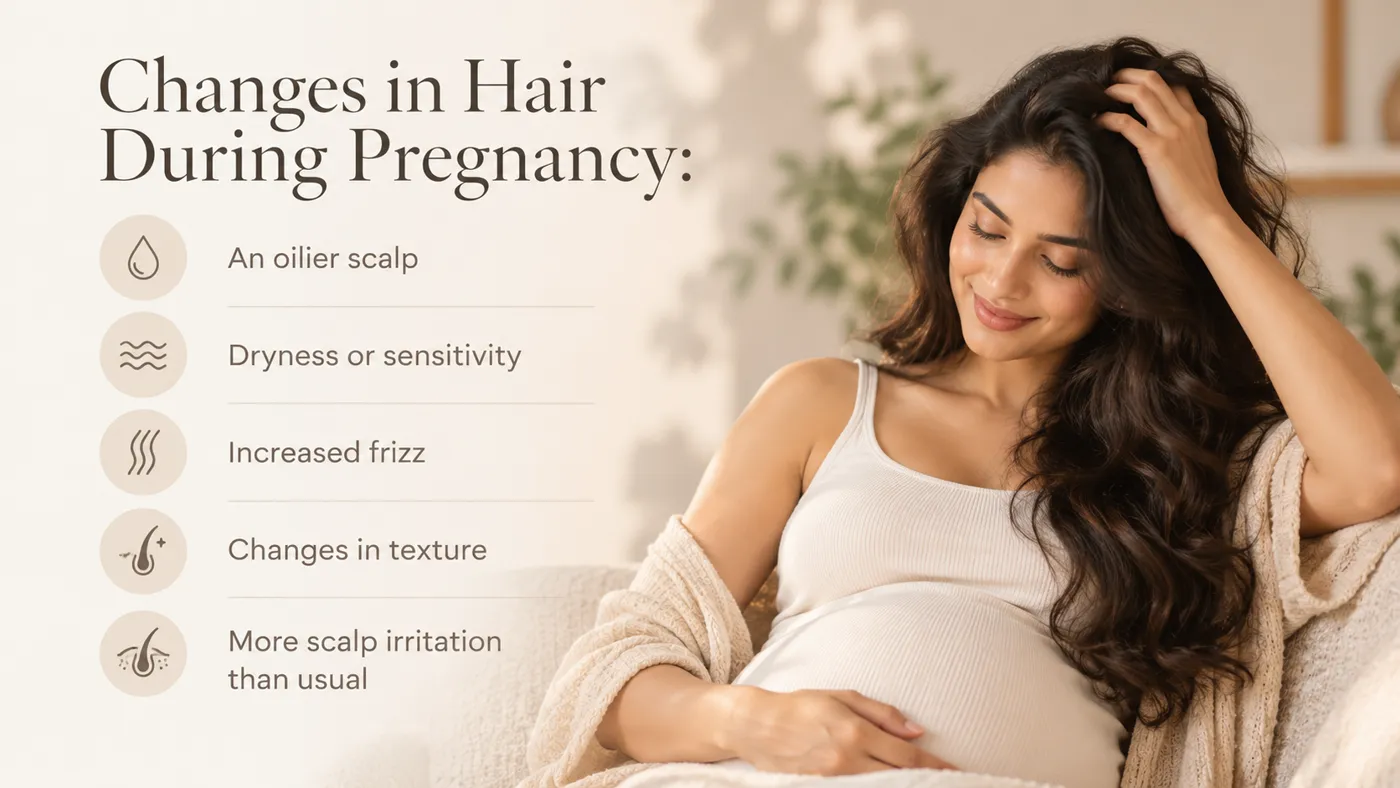
Before talking about ingredients, it helps to understand why your hair may suddenly feel different.
Pregnancy hormones can influence the normal hair growth cycle. For some women this means pregnancy hair that’s thicker, fuller, and more voluminous. Others notice things like:
- An oilier scalp
- Dryness or sensitivity
- Increased frizz
- Changes in texture
- More scalp irritation than usual
Then comes postpartum…
For many women, hormonal changes mean they shed a lot of hair a few months after having a baby, as more hairs go into the resting and shedding phases together.
Thus, it is common for many women to have postpartum shedding after having a baby. But gentle hair care will help soothe your scalp and lessen any further damage to your hair while pregnant.
What Are Sulphates?
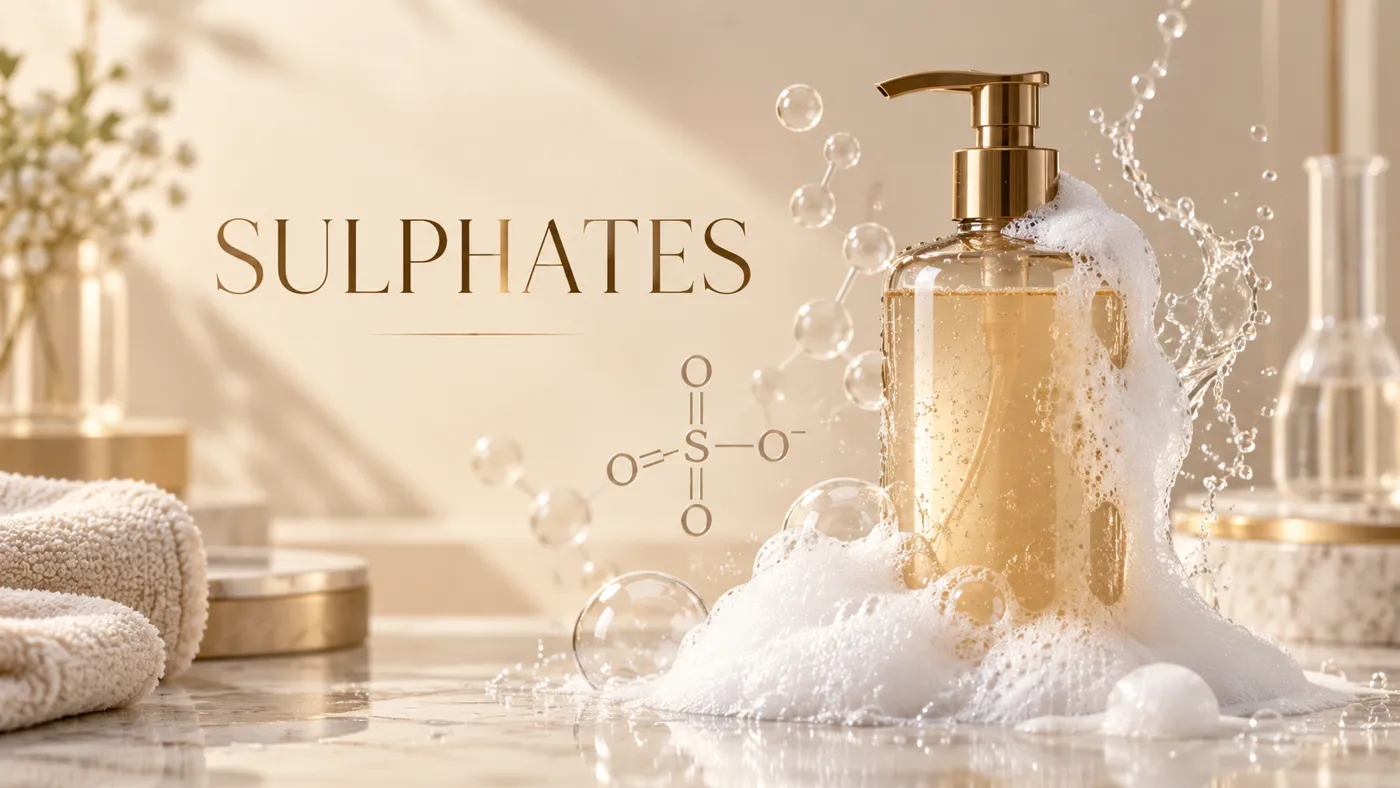
Sulfates are cleansing agents and are commonly used in shampoos, body washes and facial cleansers.
They are responsible for that satisfying foam you get when you massage shampoo into your wet hair.
Two names you might recognise are:
- Sodium Lauryl Sulfate or SLS
- Sodium Laureth Sulfate or SLES
Sulfates are very effective cleansers. The problem is that strong cleansing can sometimes remove more oil than your scalp actually needs.
If your scalp is already dry, itchy, or sensitive during pregnancy, a strong sulfate shampoo may leave your hair feeling rough or stripped.
Should You Avoid Sulfates During Pregnancy?
Using a shampoo containing sulfates does not automatically mean that it is unsafe during pregnancy.
The concern for many is irritation and dryness, rather than the actual exposure to pregnancy.
But if you're in search of a gentler clean, it might be worth considering a sulfate-free formula, particularly if you're experiencing:
- Dryness
- Flaking
- Increased sensitivity
- Rough hair
- Frequent washing
- Breakage
A gentler cleanser can remove dirt, sweat, and excess oil without leaving the scalp feeling completely stripped.
What Are Parabens?
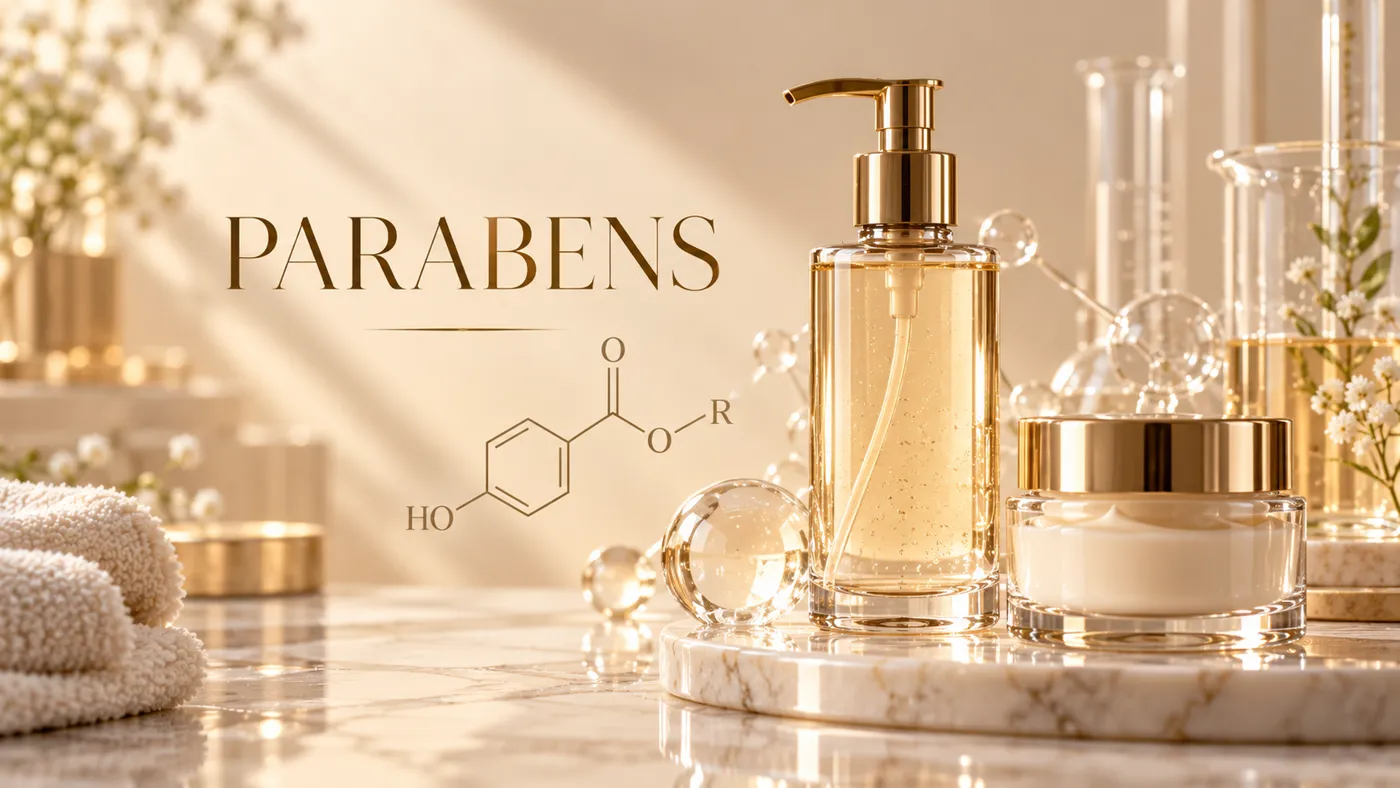
Parabens are preservatives, and they are used commonly in skincare
They help stop bacteria, mould and other microorganisms from growing inside cosmetic products.
You may see names such as:
- Methylparaben
- Propylparaben
- Butylparaben
- Ethylparaben
Parabens have garnered much attention because some members of this ingredient family can demonstrate weak hormone-like activity under certain experimental conditions.
Thus, many expecting moms opt for paraben-free personal care products, especially if appropriate alternatives are easy to find.
Synthetic Fragrance Deserves Attention Too!
One word on an ingredient label can sometimes represent a mixture of fragrance materials: "fragrance" or "parfum."
For many people, fragrance causes no problem at all.
But pregnancy can make your senses surprisingly sensitive.
A shampoo you once loved may suddenly smell overwhelmingly strong. Fragranced products can also irritate sensitive scalps in some people.
Choosing fragrance-free haircare can therefore be particularly useful if you are dealing with:
- Scalp sensitivity
- Headaches triggered by strong smells
- Nausea
- Skin irritation
- Increased sensitivity during pregnancy
Sometimes simpler really is easier.
And What About Silicones?
Silicones such as dimethicone are commonly used to make hair feel smooth, shiny and easier to detangle.
They are not necessarily unsafe in pregnancy.
However, some silicone-laden formulas can build up on certain hair types, particularly when used with multiple styling products.
Over time, it can weigh fine hair down or make it feel flat.
Thus, if you want easier scalp cleansing and lighter volume, you might prefer silicone-free haircare.
What Should You Look for Instead?
The first half of the story is knowing what to avoid. You still need ingredients in your shampoo that actually support your hair.
A well formulated pregnancy safe shampoo should be gentle in cleansing and help to protect the scalp and hair shaft.
So, try to look for supportive ingredients such as:
Biotin
Also known as vitamin B7, biotin is commonly included in haircare products designed to support stronger-feeling hair and reduce the appearance of breakage.
Panthenol
Panthenol, or provitamin B5, is a useful conditioning ingredient.
It helps hair retain moisture, improves softness and can make strands easier to manage.
Oat Extract
Oat-based ingredients are popular in gentle skincare and haircare because they can help soothe and condition dry or sensitive skin.
For an uncomfortable or easily irritated scalp, that gentleness matters.
Green Tea
Green tea contains antioxidant compounds and works well in formulas designed around scalp and hair conditioning.
Red Onion Extract
Red onion extract is more and more present in haircare formulas. It contains a high level of naturally occurring sulfur compounds and antioxidants, and is often used in products to strengthen hair and reduce breakage.
Redensyl
Redensyl is a cosmetic haircare complex used in formulas targeting hair density, shedding and healthier-looking roots.
Thus, during pregnancy and postpartum, you will notice changes in hair density all the more. So, you should choose ingredients focused on strengthening and conditioning as they can be a useful part of your routine.
Meet Luneira’s Revive Shampoo + Conditioner
Haircare during pregnancy does not need to become another complicated routine.
Luneira Revive Shampoo + Conditioner is designed to cleanse, condition and support changing hair in one simple step. For moms who want more than just “gentle” personal care, Luneira offers India’s first hormone-safe and EDC-safe haircare thoughtfully made for pregnancy and motherhood.
The formula is:
- Pregnancy safe
- Breastfeeding safe
- Hormone safe
- Dermatologist tested
- Fragrance free
- Free from SLS/SLES
- Sulfate free
- Paraben free
- Silicone free
- Free from phthalates
- Free from artificial colours
Every formula is screened against more than 1,400 restricted ingredients, with Revive receiving an ingredient safety score of 10/10.
Its Hair Anchor Technology combines Redensyl, Biotin and Red Onion Extract with Panthenol, Green Tea and Oat Kernel Extract to support stronger, fuller-looking hair while gently cleansing the scalp.
And because it works as both a shampoo and conditioning treatment, there is no complicated multi-step routine.
Because pregnancy already gives you enough things to remember.
A Simple Pregnancy Haircare Checklist
When buying your next shampoo, turn the bottle around and ask:
- Is the cleansing system gentle?
- Does it contain a strong fragrance?
- Does it contain ingredients I personally want to avoid?
- Does the formula include conditioning ingredients?
- Has ingredient safety actually been reviewed?
Especially important if your scalp has become dry or sensitive.
Fragrance-free formulas may be more comfortable during pregnancy.
Look specifically for sulfates, parabens, silicones or phthalates rather than trusting vague marketing claims.
Panthenol, oat extract and other conditioning ingredients can help limit dryness and breakage.
Transparency matters, especially during pregnancy.
And if decoding a list feels impossible, you can use Luneira's ingredient scanner to check your existing products and see whether their ingredients fit your pregnancy routine.
Your Haircare Routine Should Feel Reassuring, Not Complicated
With a gentle, fragrance-free, sulfate-free and paraben-free formula built specifically around pregnancy and postpartum hair needs, Luneira Revive Shampoo + Conditioner gives you a simpler way to care for your hair without compromising on cleansing, conditioning or ingredient transparency.
At ₹879 for 200 ml, it comes to around ₹20 a day over 45 days of use.
So, shop Luneira Revive Shampoo + Conditioner and build a hair routine designed for pregnancy, postpartum, and breastfeeding.
Frequently Asked Questions
1. Are sulfates in shampoo unsafe during pregnancy?
Not necessarily. Sulfates are mainly a concern for dryness or irritation. If your scalp feels sensitive during pregnancy, a sulfate-free shampoo may feel gentler.
2. Should I avoid parabens in shampoo while pregnant?
Parabens are preservatives used in cosmetics. Some expecting moms prefer paraben-free haircare, especially when suitable alternatives are available.
3. What should I look for in a pregnancy safe shampoo?
Look for gentle cleansing, transparent ingredients, dermatologist-tested formulas, and conditioning ingredients such as panthenol or oat extract. Fragrance-free and sulfate-free options may also suit sensitive scalps.
4. Is fragrance-free shampoo better during pregnancy?
It can be. Pregnancy may increase sensitivity to smells, nausea, or scalp irritation, so fragrance-free formulas can be more comfortable for some women.
5. Can I use the same shampoo during pregnancy, postpartum and breastfeeding?
Yes, provided the formula is suitable for those stages. Luneira Revive Shampoo + Conditioner is designed to be pregnancy-safe, breastfeeding-safe and gentle enough for changing hair and scalp needs. —--------------------------------------------------------------------------------------------------------------------------- Meta title - Is Your Shampoo Safe? Sulfates & Parabens in Pregnancy Meta Description - Worried about your shampoo during pregnancy? Here's what sulfates and parabens actually do, the risks to know, and safer haircare swaps to make today.