Itchy Belly During Pregnancy: Causes, Relief, and When to Worry
Updated
Pregnancy itch driving you mad? Learn what causes it, which remedies actually help, and the warning signs that mean you should call your doctor immediately.
Pregnancy itch driving you mad? Learn what causes it, which remedies actually help, and the warning signs that mean you should call your doctor immediately.
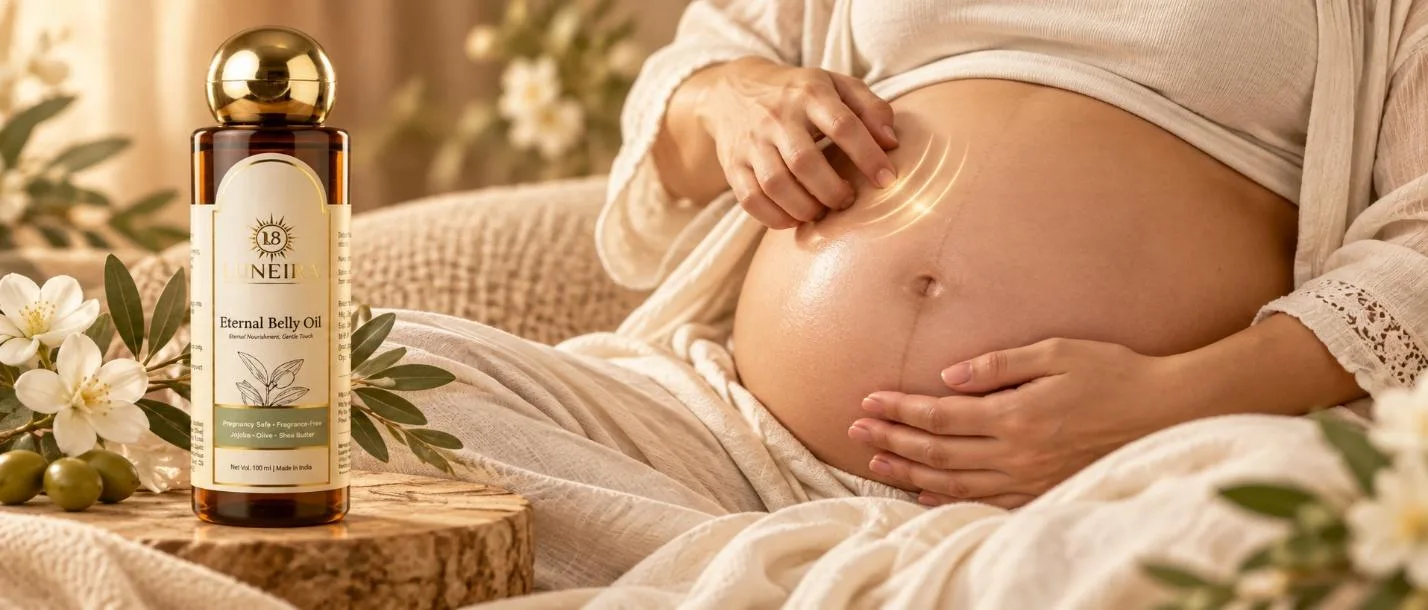
An itchy belly is common during pregnancy, especially as your bump grows. Most often, stretching and dryness are to blame. Gentle skin care can usually help, but some types of itching need medical attention.
Why Does Your Belly Itch During Pregnancy?
As your abdomen expands, the skin has to stretch over a relatively short period of time. That can leave it feeling tight, dry and itchy. Hormonal changes, hot weather, air conditioning and frequent hot showers may make dryness worse.
If your belly feels dry without a strong rash, start with lukewarm showers, loose cotton clothing and a fragrance-free moisturiser.
Normal Itching vs PUPPP
Sometimes the itch comes with a visible rash. PUPPP, also called polymorphic eruption of pregnancy, usually appears late in pregnancy and often begins around stretch marks on the abdomen.
Typical signs include:
- Red, raised or hive-like bumps
- Strong itching, often worse at night
- A rash that may spread to the thighs, hips or buttocks
- Little or no involvement of the palms and soles
PUPPP is uncomfortable but is not usually dangerous to the baby. Your doctor can confirm it and recommend suitable treatment. Cool compresses, colloidal oatmeal baths and fragrance-free moisturisers may help.
When Itching Needs Medical Attention?
Do not assume every pregnancy itch is caused by stretching skin.
Contact your doctor promptly if the itching is severe, especially if it affects your palms or the soles of your feet, becomes much worse at night, or happens without a visible rash. These can be signs of intrahepatic cholestasis of pregnancy, a liver condition that needs medical assessment and blood tests.
Also seek advice for jaundice, dark urine, pale stools, blistering or a rapidly spreading rash.
Simple Ways to Calm an Itchy Belly
A few small changes can make a big difference:
- Keep showers lukewarm rather than hot.
- Pat the skin dry instead of rubbing it.
- Moisturise while the skin is still slightly damp.
- Wear breathable cotton clothing.
- Avoid strongly fragranced body products if they make the itch worse.
- Use cool compresses when your belly feels especially irritated.
- Try not to scratch, as repeated scratching can damage already-sensitive skin.
If you are looking for the best oil for stretch marks, choose based on comfort, ingredient quality and how consistently you will actually use it rather than expecting any oil to guarantee that stretch marks will not appear.
How We Care for Stretching Skin at Luneira?
Our Eternal Belly Oil is made for pregnancy and postpartum skin. It combines Jojoba Oil, Olive Oil, Shea Butter, CCTG, High-Oleic Sunflower Oil and Vitamin E. The formula is fragrance-free, non-greasy, dermatologist tested and is also hormone-safe!
For mothers searching for the best belly oil for pregnancy, texture matters. An oil that feels comfortable and does not leave a heavy residue is easier to make part of a daily routine.
We also recommend pairing Eternal Belly Oil with Eternal Body Lotion. Use the oil at night and the lotion in the day for all-day softness. Apply the oil and lotion regularly to areas that feel dry, tight or uncomfortable.
Frequently Asked Questions
Is an itchy belly normal during pregnancy?
Yes. Mild itching caused by stretching and dry skin is common, particularly as the bump grows. Severe or unusual itching should still be discussed with your doctor.
What can I put on my itchy pregnant belly?
A fragrance-free moisturiser or belly oil for pregnancy can help reduce dryness and tightness. Apply it after bathing while the skin is still slightly damp. This helps to improve the overall absorption of the belly oil.
When should I worry about itching in pregnancy?
Call your doctor if the itching is intense, affects your palms or soles, is much worse at night, or occurs without a rash.
Can belly oil stop stretch marks completely?
No product can guarantee this. Genetics and skin stretching play a large role here. The best oil for stretch marks should focus on keeping the skin moisturised, soft and comfortable.
When should I start using belly oil?
You can begin moisturising whenever your skin starts feeling dry or tight. Many women make it part of their routine before rapid belly growth begins.
What should I look for in the best belly oil for pregnancy?
Look for a gentle formula that is comfortable to use regularly. Luneira Eternal Belly Oil is fragrance-free and includes Jojoba Oil, Olive Oil, Shea Butter, High-Oleic Sunflower Oil and Vitamin E.